Every day deserves a song
How music brings joy while building language, confidence and self-regulation
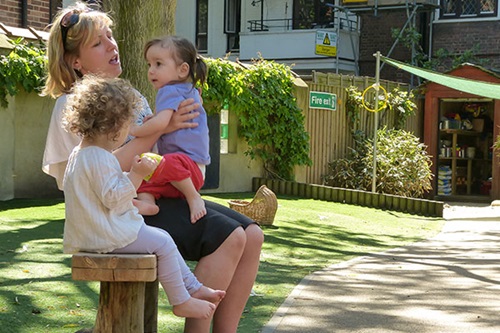
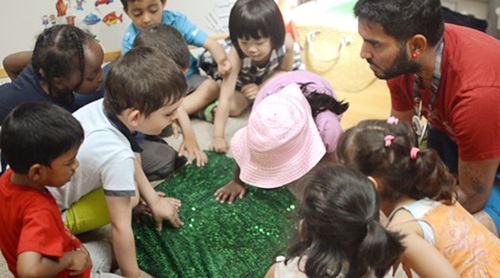
| November 2026If you ever pop into Tiny Toez on a busy morning, there’s a good chance you’ll hear us before you see us: a cheerful good morning song drifting down the corridor, tiny feet tapping along, and plenty of laughter filling the room. For us at Tiny Toez, music is woven through our days, not as an extra, but as part of how we connect and communicate with the children as they learn.
We are often asked why we use music so much in the early years. Music supports children’s development in a variety of ways, and it can be done with so much ease and joy. We all have our favourite songs or rhythms that move us, and for children, it’s also a tool to help bring them together and express themselves.
Why music matters: the science and philosophy behind it
From a developmental perspective, music works with the whole child. Research into early brain development shows that musical experiences support neural connections linked to language, memory, movement, and emotional regulation. When children sing and listen, they are using multiple areas of the brain at once. That kind of whole-brain engagement is exactly what young children need.
Play-based learning frameworks recognise music as a natural language of children. Long before children can read or write, they communicate through sound and repetition, which is why reading and singing to them is so important. Music is inclusive. It doesn’t rely on children having advanced language skills or confidence. Every child can be involved at whatever pace suits them best.
What it looks like in practice
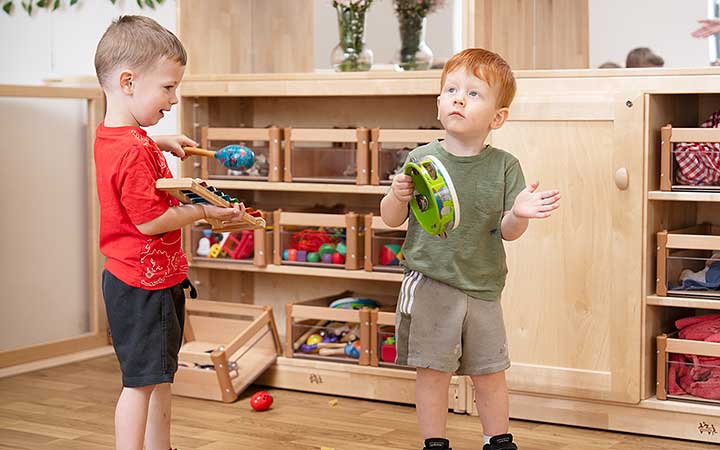
In our nursery rooms, music shows up in small, meaningful ways throughout the day. You can have a song to welcome the children into nursery, or you can sing to the children throughout transitions, nap times, and play. Music also supports physical development in ways that feel like play rather than practice. Action songs involve clapping, stomping, spinning, jumping, balancing, and stopping on cue. Hidden inside a two-minute song are skills like coordination, body awareness, rhythm, listening, and self-control. Children are learning, but they’re also just having fun.
Supporting emotional wellbeing and transitions
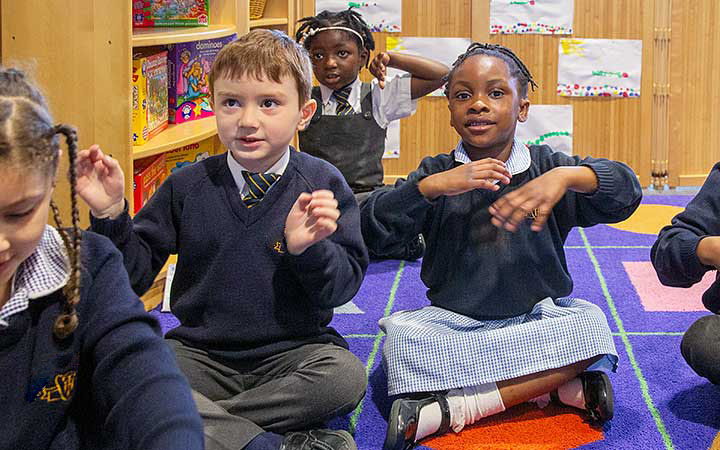
One of the most valuable roles music plays is in emotional regulation and transitions. Young children experience many changes throughout the day, and transitions can be challenging. Familiar songs act as gentle signposts so you can have one during tidying up time or eating and nap time.
Because the music can be predictable, children know what comes next. That predictability builds a sense of security. We often see children who struggle with transitions respond positively when a song is introduced. The music does the reminding for us, without the need for raised voices or repeated instructions. Music can also shift the emotional tone of a room almost instantly. A soft, slow song can calm a child who is feeling overwhelmed or get them relaxed for nap time. A lively beat can re-energise a group that’s feeling flat.
Building relationships and social skills
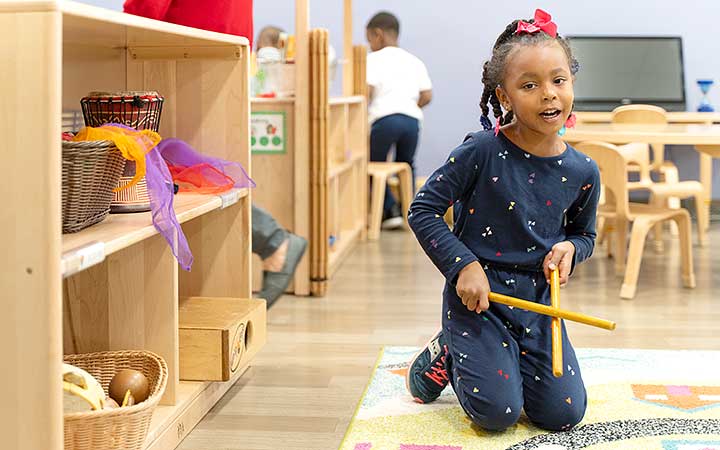
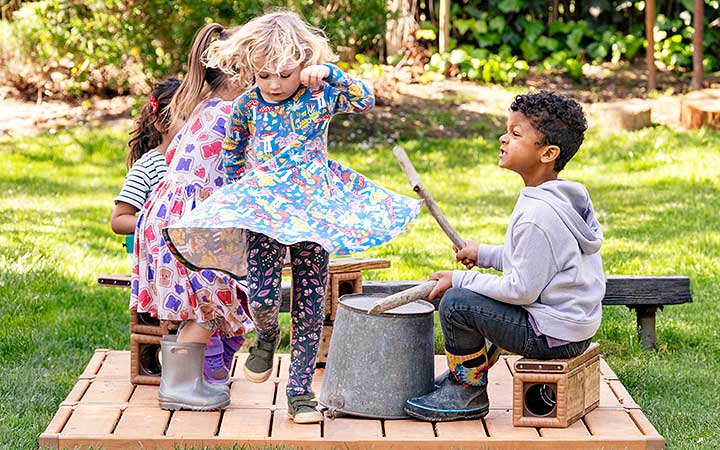
Music is deeply social. When children sing or play instruments together, they practise sharing between friends and listening to each other. They learn to be loud together and quiet together. These are foundational social skills, and music offers a fun way to grow them, The team often notices friendships forming around shared musical moments, two children shaking instruments in sync, or a group free-style dancing to their favourite songs.
Simple ways to bring music into everyday life
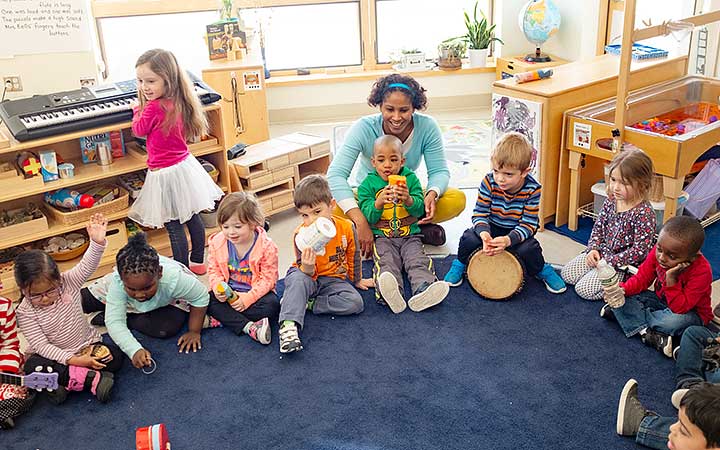
You don’t need musical training, fancy instruments, or confidence in your singing voice to bring music to children.
Here are a few easy, practical ideas - and you can start straight away!
- Add one song to your routine. Choose a good morning song, coat-on song, a bath-time rhyme, or a naptime lullaby.
- Try pause songs. Sing a familiar rhyme and pause before the last word (“Twinkle, twinkle little…”) and let your child fill it in. This builds listening skills and language in a playful way.
- Make a kitchen band. Wooden spoons, plastic tubs, and sealed containers with a small amount of dry rice or pasta make excellent instruments.
- Play musical statues. Stand still when the music stops. This supports self-regulation, listening, and impulse control.
- Go on a sound walk. Listen for birds, cars, footsteps, wind, or doors. Talk about the sounds you hear and notice the “music” in everyday life.

A final tune
Music meets children exactly where they are, and over time, small musical moments build language, coordination and social skills. In the end, using music in the early years is not about creating performers or perfecting songs. It is about making moments of joy that equally support all areas of development. So sing the song, clap the beat, and enjoy the moment – because every little tune helps children grow.